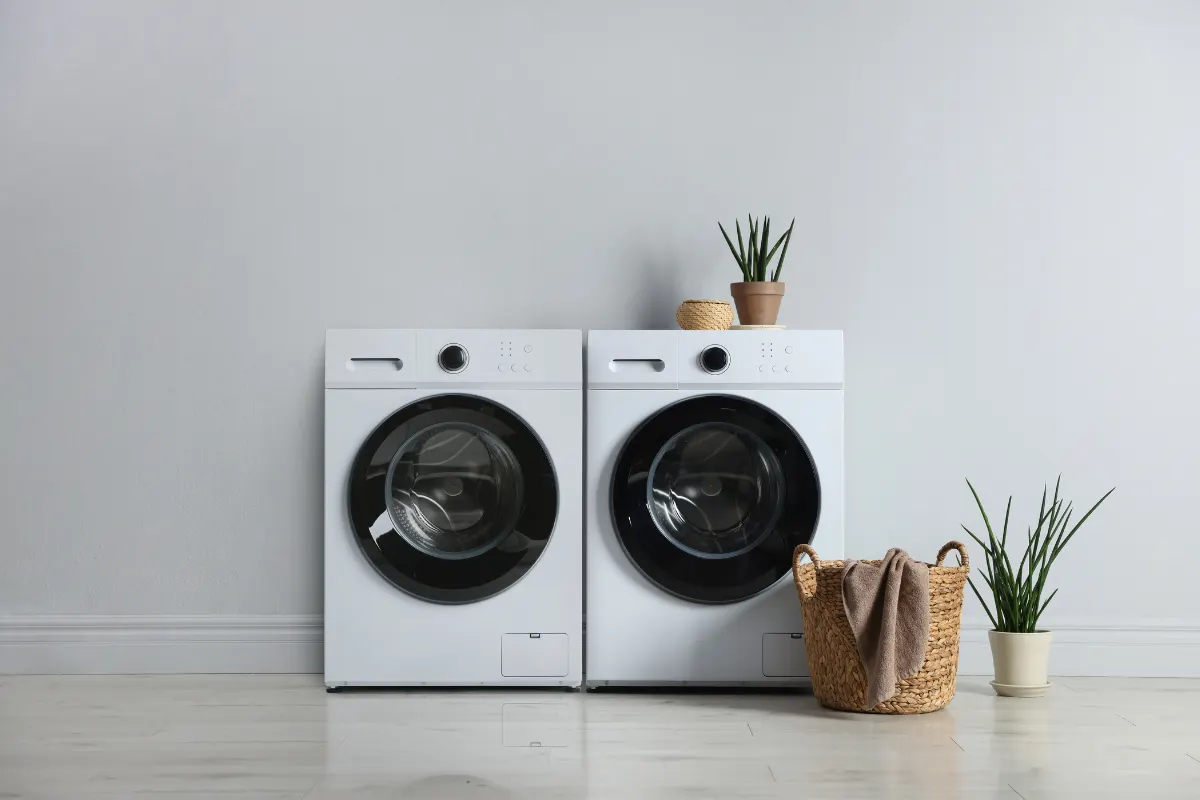


When a washing machine spins but won’t drain, it can leave standing water in the tub, overly wet laundry, and frustration at the end of a cycle. This issue often causes homeowners to assume the washer is nearing the end of its life, but in many cases, the problem is tied to a specific component that controls water flow or cycle timing.
Washing Machine Spins but Won’t Drain? Common Causes
A washer that spins successfully has power, motor function, and at least partial control system operation. Draining, however, relies on a separate set of components working together at the right time. When even one of those parts fails or becomes restricted, water can remain trapped in the machine, increasing the risk of leaks, odors, and long-term damage.
When your washing machine spins but won’t drain, it usually points to an interruption in how water exits the appliance rather than an issue with the drum or drive system. Draining problems often start small and worsen over time, especially if the washer is repeatedly run with standing water left behind.
Below are some of the most common causes when a washing machine spins but won’t drain.
Clogged Drain Hose
The drain hose carries water from the washer to your home’s plumbing system. Over time, lint, detergent residue, and small debris can accumulate inside the hose and restrict water flow. When this happens, the washer may spin normally but struggle to push water out fast enough to complete the drain cycle.
Common signs of a clogged drain hose include slow draining, gurgling sounds during the spin cycle, or water backing up instead of fully emptying. In some cases, the washer may stop mid-cycle because it cannot drain within the expected time frame.
While basic visual checks for obvious kinks or pinches are safe, internal obstructions often require professional attention. Continued operation with a restricted drain hose can place extra strain on the drain pump and lead to more costly repairs.
Blocked or Failing Drain Pump
The drain pump is responsible for actively pushing water out of the washer during the drain portion of the cycle. If the pump becomes blocked by debris or begins to fail mechanically, the washer may still spin but leave water behind. Common pump blockages include coins, buttons, hair pins, and heavy lint buildup that slip past the wash and collect near the pump inlet. On many washers, the debris gets caught in a pump filter/lint trap area, restricting water flow even when the motor and spin function are working.
Symptoms of a drain pump issue can include standing water after the cycle finishes, unusual humming or buzzing sounds, and intermittent draining that worsens over time.
Drain pumps are sealed assemblies, and when they fail, they are replaced rather than repaired. Attempting to operate a washer with a compromised pump can cause overheating or complete pump failure, which may lead to water damage if leaks develop. A trained technician can confirm whether the pump is obstructed or no longer functioning as designed.
Lid Switch or Door Lock Issues
Modern washing machines are designed with safety systems that prevent draining and spinning under unsafe conditions. The lid switch on top-load washers and the door lock on front-load models confirm that the washer is securely closed before allowing certain cycle functions to continue.
If the washer spins but won’t drain consistently, a failing lid switch or door lock may be sending incorrect signals to the control system. This can cause the washer to partially complete cycles or skip draining altogether.
Because these components are tied into the washer’s safety circuitry, diagnosis and replacement should always be handled by a professional. Ignoring the issue can result in unpredictable operation and potential water retention inside the appliance.
Control Board or Timer Malfunction
The control board or mechanical timer directs each stage of the wash cycle, including when the washer should drain. If the control system fails to send the correct signal at the right time, the washer may spin without activating the drain pump properly.
Signs of a control-related problem include cycles that stop or repeat unexpectedly, draining that works sometimes but not others, and buttons or dials that respond inconsistently.
Control board issues are complex and often misdiagnosed without proper testing equipment. Replacing parts without confirming the root cause can be costly and ineffective. Professional diagnostics ensure the correct component is addressed and prevent unnecessary repairs.
Excess Suds or Detergent Issues
Using too much detergent or the wrong type of detergent can interfere with draining. Excess suds can trap water in the tub and confuse the washer’s sensors, making it appear as though the washer hasn’t drained even when the pump is working. Front-load washers and many high-efficiency top-load models are designed for HE (High-Efficiency) detergent, which creates fewer suds. Using non-HE detergent—or using too much HE detergent—can cause oversudsing that slows draining and triggers longer or repeated drain attempts.
Common indicators of detergent-related issues include visible foam remaining after the cycle, the washer stopping or extending drain time, and damp or soapy residue on clothing.
Reducing detergent use and ensuring the correct formulation for your washer type can help prevent this issue. If draining problems persist even after adjusting detergent habits, a professional inspection is recommended to rule out mechanical failures.
Final Thoughts on a Washing Machine That Spins but Won’t Drain
A washing machine that spins but won’t drain should never be ignored. Standing water can lead to mold growth, unpleasant odors, and corrosion of internal components. Over time, unresolved draining issues can damage the pump, control system, or surrounding flooring if leaks occur.
Professional repair not only restores proper function but also helps extend the life of your washer. Many draining issues can be addressed efficiently when caught early, preventing more extensive damage and higher repair costs down the line.
If your washer consistently leaves water behind, reaching out to our Tampa washing machine repair experts ensures the problem is diagnosed accurately and resolved safely. Experienced technicians can identify the underlying cause and recommend the most cost-effective solution to keep your appliance running reliably.