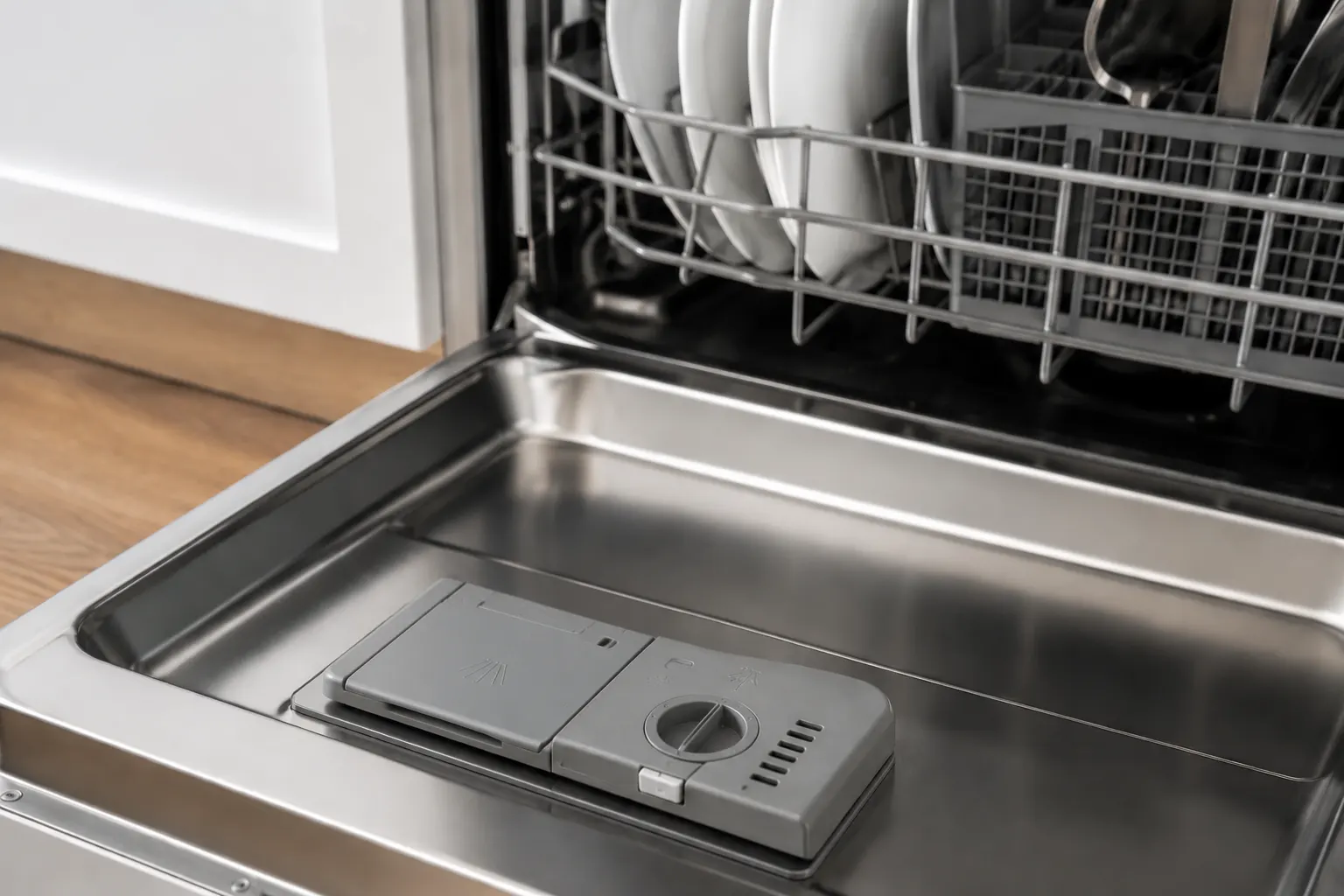

A GE dishwasher not draining can turn your kitchen cleanup into a messy ordeal. When your GE dishwasher not draining interrupts your routine, it can quickly become a real hassle. When water remains pooled at the bottom of the dishwasher, it not only prevents your dishes from getting clean but can also lead to unpleasant odors and potential water damage. Understanding the possible reasons behind a GE dishwasher not draining can help you address the issue quickly and efficiently, keeping your kitchen running smoothly.
GE Dishwasher Not Draining? Here’s What to Do
You’re not alone if your GE dishwasher not draining is causing you to stress. Many homeowners face this common issue, but solutions are within reach. From simple maintenance to more involved repairs, learning how to troubleshoot a draining issue can save you time, money, and hassle. Let’s explore the most common causes and what you can do about them.
Check for a Clogged Filter
One of the most common reasons for a GE dishwasher not draining is a clogged filter. The filter is designed to catch food particles and debris, preventing them from entering the drain pump. Over time, this filter can become clogged, restricting water flow and causing drainage issues.
What to Do:
- Locate the filter at the bottom of the dishwasher (usually under the spray arm).
- Remove the filter and rinse it under warm water to remove debris.
- Use a soft brush to scrub away stubborn residue.
- Replace the filter and run a short cycle to see if the draining issue is resolved.
Drain Hose Issues
A kinked or clogged drain hose can also lead to a GE dishwasher not draining properly. The drain hose carries wastewater from the dishwasher to your home’s plumbing. When this hose is blocked or not positioned correctly, water can back up into the dishwasher.
What to Do:
- Check that the hose is not kinked or bent.
- Disconnect the hose and inspect it for blockages.
- Run water through the hose to clear any debris.
- Reattach the hose securely, ensuring it has a gentle slope to facilitate drainage.

Clogged Garbage Disposal
If your GE dishwasher is connected to a garbage disposal, a blockage in the disposal can prevent proper drainage. When the disposal is full or not working correctly, it can block water from draining out of the dishwasher.
What to Do:
- Make sure the garbage disposal is empty and working properly.
- Run the disposal to clear any blockages.
- Ensure the disposal drain plug (for new installations) is removed.
- Avoid overloading the disposal with food waste to maintain proper drainage. Experiencing a GE dishwasher not filling with water could also indicate related drainage and fill cycle issues.
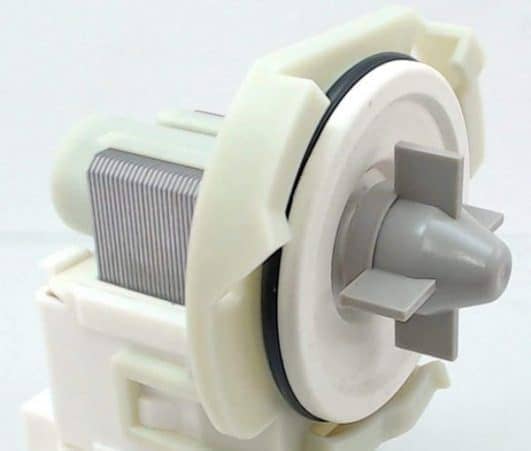
Drain Pump Malfunction
The drain pump is responsible for pushing water out of the dishwasher and into your home’s drainage system. If this pump is faulty or clogged, your GE dishwasher may not drain at all.
What to Do:
- Listen for humming or unusual sounds during the drain cycle—this could indicate a drain pump issue.
- If the pump is clogged, try to remove any debris manually.
- If the pump is malfunctioning, it may need to be replaced by a professional.
Inspect the Drain Valve
A stuck or faulty drain valve can also lead to a GE dishwasher not draining. The drain valve opens to allow water to flow out during the drain cycle. When it gets stuck, water remains in the dishwasher.
What to Do:
- Locate the drain valve (consult your owner’s manual if needed).
- Check if the valve is stuck and try to move it manually.
- If the valve is damaged, a professional technician may need to replace it.
Broken Door Latch
While it may not seem related, a broken door latch can prevent the dishwasher from completing its cycle properly. Many dishwashers will not drain if the door is not securely closed, as a safety feature.
What to Do:
- Inspect the door latch for damage.
- Ensure the door closes securely and latches properly.
- If the latch is broken, it may need replacement.
If you’re also struggling with a dishwasher not drying, you know how frustrating it can be when appliances don’t perform as expected.
Air Gap or High Loop Issues
An air gap or high loop in the drain hose prevents dirty water from siphoning back into the dishwasher. If this component is blocked or not installed correctly, it could result in drainage problems.
What to Do:
- Check the air gap for clogs and clean it if necessary.
- Ensure the drain hose is looped properly under the sink (a high loop prevents backflow).
Control Board or Timer Problems
In rare cases, a malfunctioning control board or timer can prevent your GE dishwasher from draining. These components control when the dishwasher drains during the cycle.
What to Do:
- Reset the dishwasher by turning off the power for a few minutes.
- If this doesn’t work, a technician may need to inspect and potentially replace the control board.
When to Call Appliance Repair Specialists
If your GE dishwasher not draining persists despite trying these solutions, Appliance Repair Specialists are your trusted choice for quick and effective repairs. We have the expertise to diagnose and fix even the most stubborn dishwasher drainage problems. Whether it’s a drain pump issue, a broken valve, or a faulty control board, their team can get your dishwasher back to draining properly in no time. If you need professional assistance, our dishwasher repair Tampa experts are here to help.