When your oven smells like gas when preheating, it’s natural to feel uneasy. While a faint odor may occur briefly during ignition, a strong or lingering gas smell can signal a more serious issue that requires professional attention.
Gas ovens are designed to operate safely and efficiently, but several internal parts—such as the igniter, gas valve, or burner—must work together in precise timing. Even small faults in these systems can cause unburned gas to escape before ignition. Below, we’ll look at possible causes, what you can safely check, and when to call for service.
Common Reasons Your Oven Smells Like Gas When Preheating
A gas-like odor during preheating doesn’t always mean a leak, but it should never be ignored.
The following are common reasons for the smell, along with safety notes to help you understand what’s normal—and what isn’t.
Initial Ignition Odor
During startup, gas briefly flows to the burners before ignition. A small amount of gas can escape before it combusts, causing a short-lived odor. However, this normal odor should fade within seconds.
-
A faint smell that disappears quickly can occur during ignition.
-
If the odor lingers, grows stronger, or appears before every cycle, it could indicate a delayed ignition or burner problem.
-
Because even a small malfunction can cause faint smells, don’t assume a mild odor is always harmless.
If the smell continues beyond the first moments of preheating or fills the kitchen, stop using the oven and contact a technician immediately. Continuing to operate the appliance could lead to gas buildup.
Dirty Oven or Food Debris
Burning food residue can create unpleasant odors that sometimes resemble gas or smoke. While this isn’t a true gas leak, the similarity can confuse.
-
Residue odors typically smell burnt or chemical, not sulfur-like as natural gas does.
-
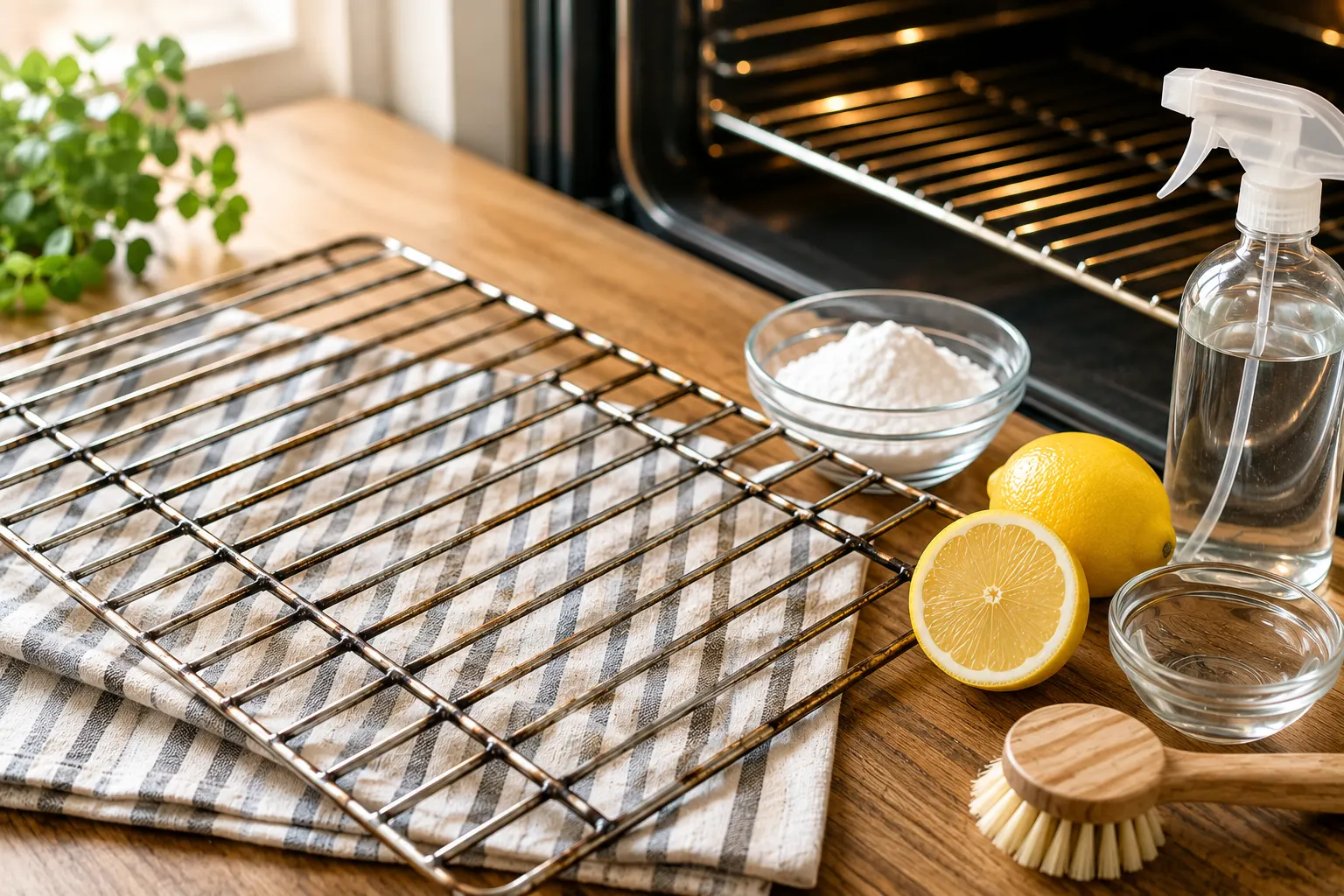
Clean the oven interior once it’s fully cool using a mild, manufacturer-approved cleaner or a baking soda paste.
-
Avoid abrasive cleaners or strong chemicals that can worsen odors.
If the smell is distinctly “gassy” rather than burnt, or if cleaning doesn’t resolve it, a professional should inspect the oven for leaks or ignition issues.
Faulty Igniter
The igniter heats until it lights the gas entering the burner. If it weakens or becomes sluggish, gas may build up before it ignites, leading to a noticeable gas smell or a “whoosh” sound when it finally lights.
-
Common signs include delayed ignition, uneven heating, or repeated clicking.
-
A weak igniter can cause both mild and strong odors, depending on how much gas escapes before lighting.
Because replacing or testing an igniter requires electrical and gas safety checks, homeowners should not attempt it themselves. A qualified technician can determine whether the igniter is heating properly or if it’s contributing to your oven smells like gas when preheating odor.
Gas Valve, Burner, or Door Seal Issues
A malfunctioning gas valve, misaligned burner, or deteriorating door gasket can allow gas to escape or prevent proper combustion. These problems may also cause weak flames, uneven heating, or odors escaping into the kitchen.
-
The gas valve regulates fuel flow—if it sticks or leaks, it can release gas too early.
-
Burner ports blocked by debris can prevent even ignition.
-
A damaged door gasket can allow faint gas or combustion odors to leak into your kitchen during operation.
If any of these problems are suspected, stop using the appliance and schedule a service call. Technicians can safely test the gas valve, inspect burner alignment, and check the oven’s seals for leaks.
Ventilation or Airflow Problems
Poor airflow can allow odors—whether from combustion gases or burnt residue—to linger longer than usual. While this may not indicate a gas leak, it can suggest incomplete combustion.
You can safely:
-
Check that vents or openings around the oven aren’t blocked by objects, foil, or debris.
-
Ensure kitchen ventilation (such as a range hood or nearby vent) is functioning properly.
-
Avoid moving the oven itself; shifting the appliance can disturb gas or electrical connections.
If your oven smells like gas when preheating odor persists even after improving airflow, stop using the oven and schedule a professional inspection. A technician can assess internal ventilation, burner performance, and ensure all gas components are operating safely.
Recently Installed or Converted Gas Ovens
New ovens or those recently converted between propane and natural gas can emit odors during early use as protective oils and coatings burn off. However, the first days after installation are also when leaks or pressure misalignments are most likely to appear.
-
A mild “new oven smell” is normal the first few preheats.
-
Any raw gas odor, hissing, or sustained smell is not normal and should be checked immediately.
It’s best to have every new installation or conversion inspected by a qualified technician to verify connections and gas pressure.
Failing Gas Line Connection (Professional Attention Required)
Although rare, a loose or damaged gas line connection can cause a continuous leak near the oven. Because gas lines are pressurized and flammable, homeowners should never attempt to inspect or test them. Even small leaks can become hazardous.
If you notice:
-
A strong gas odor that persists after the oven is turned off.
-
Hissing near the appliance.
-
Lightheadedness, headaches, or nausea while using the oven.
Leave the area immediately, avoid electrical switches or open flames, and contact your gas company or fire department. Once the area is declared safe, an appliance repair specialist can test and repair the connection properly.
Final Considerations For Your Gas Oven Smelling Of Gas When Preheating
Even if a faint odor seems minor, it’s best not to assume it’s normal.
If your oven smells like gas when preheating, stop using it and schedule service with our Tampa oven repair specialists. Their factory-trained technicians can test for leaks, inspect the igniter and seals, and restore safe operation.
Timely, professional service ensures your oven performs efficiently—and most importantly, safely.